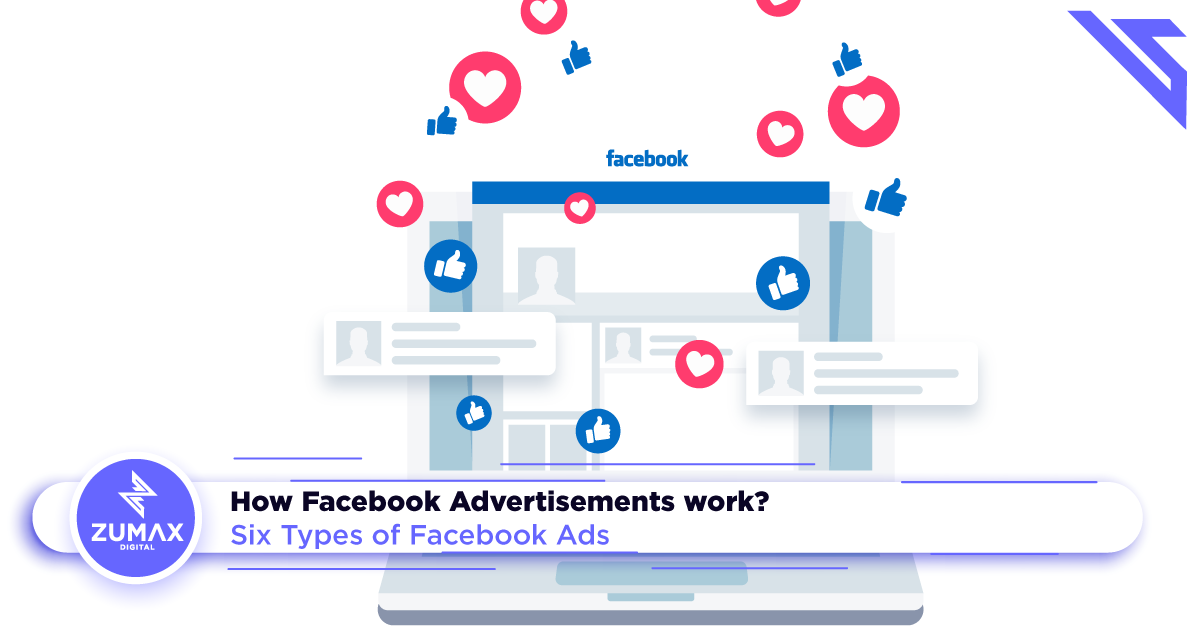
The Insider’s Guide to How Facebook Ads Actually Drive Growth

Last Updated on February 24, 2026
We’ve all been there. You’re scrolling through your feed, maybe looking at photos of your cousin’s wedding in Melaka or a video of a new cafe in Bangsar, and suddenly—there it is. A pair of shoes you were looking at yesterday, or a solution to a problem you only just mentioned to a friend. It feels like magic, or perhaps a bit like someone is listening.
In reality, it’s the most sophisticated auction system ever built. For business owners in Malaysia and beyond, Facebook Ads (now Meta Ads) aren’t just “digital billboards.” They are precision-guided tools that connect a problem-solver with a person in need. But if you’ve ever felt like you’re just throwing money into the Zuckerberg void, you aren’t alone. The difference between a campaign that bleeds cash and one that builds an empire lies in understanding the mechanics beneath the surface.
To win in 2025, you have to stop thinking about “ads” and start thinking about “user experiences.” Facebook’s algorithm has evolved. It’s no longer about outsmarting a machine with technical hacks; it’s about feeding that machine the right creative fuel.
The Invisible Engine: How the Facebook Algorithm “Thinks”
When you hit “Publish” on a campaign, a silent competition begins. Facebook doesn’t just show ads to anyone; it balances two things: value for the advertiser and a positive experience for the user. If your ad is annoying or irrelevant, Facebook will literally charge you more to show it.
The algorithm uses “Machine Learning” to predict who is most likely to take your desired action. It looks at thousands of data points—from the speed at which you scroll to the types of comments you leave. In Malaysia, where mobile penetration is incredibly high, the algorithm prioritizes mobile-first experiences that load quickly and engage immediately.
Imagine you’re a boutique skincare brand in Kuala Lumpur. The algorithm identifies users who have not only liked skincare pages but have recently engaged with “self-care” content or visited organic beauty blogs. It’s a match-making service that works at the speed of light.
The Six Pillars: Choosing Your Weapon
Choosing the wrong ad format is like bringing a spoon to a knife fight. Each of the six primary Facebook ad types serves a distinct psychological purpose in the customer journey.
| Ad Type | Best For | Psychological Trigger |
| Image Ads | Simplicity & Brand Awareness | Instant Visual Impact |
| Video Ads | Storytelling & Education | Emotional Connection |
| Carousel Ads | Product Catalog & Steps | Product Catalogue & Steps |
| Instant Experience | Mobile Immersion | Deep Engagement |
| Collection Ads | E-commerce Sales | Seamless Browsing |
| Lead Ads | Data Collection | Low-Friction Utility |
If you are looking to master these formats and ensure your budget isn’t wasted, we, the experts at Zumax Digital, specialise in tailoring these strategies for the Malaysian market.
1. The Power of the Single Image
Don’t let the simplicity fool you. A single, high-quality image ad is often the highest-performing asset for high-intent audiences. The key is “The Thumb-Stop.” In a sea of digital noise, your image needs to look like a “content piece” rather than a “sales pitch.”
For example, a Malaysian real estate developer shouldn’t just show a 3D render of a condo. They should show a high-res photo of a young family enjoying the balcony view of the KL skyline. It sells the result, not the product. According to recent data, ads that feature “real people” in relatable settings see a 35% higher conversion rate than stock photography.
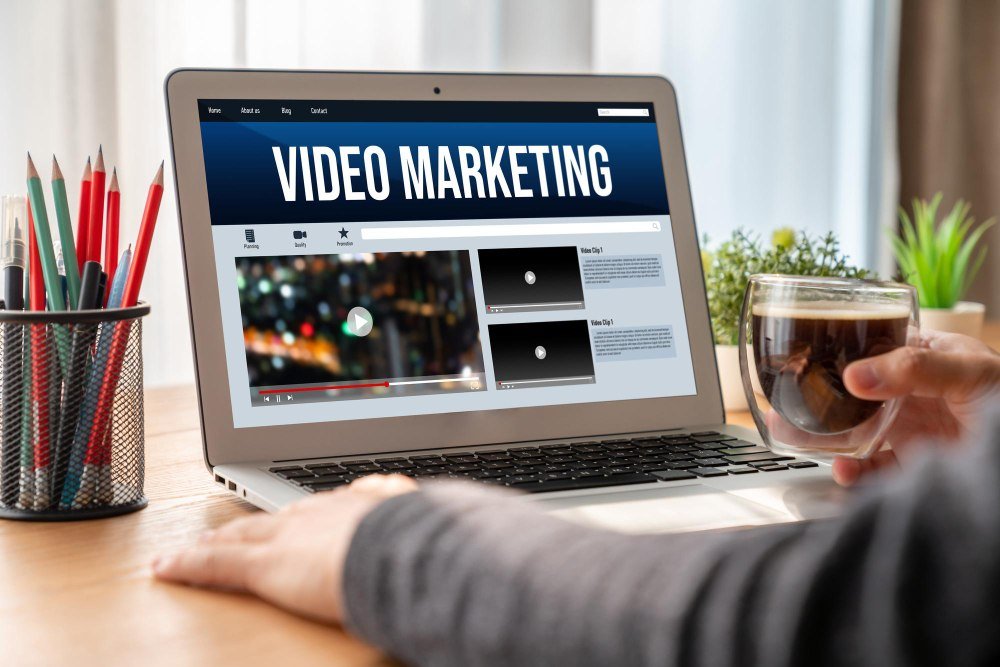
2. Video Ads: The Storyteller’s Edge
Video is no longer optional. With the rise of Reels, the “Lo-Fi” aesthetic—videos shot on an iPhone that feel authentic—is outperforming big-budget studio productions. Malaysian audiences, in particular, respond well to “behind-the-scenes” content or founder-led stories.
Think about a local F&B brand. A 15-second Reel showing the sizzling of satay on a grill, with the natural ambient sound (ASMR), creates a visceral reaction that a static image never could. It’s about stopping the scroll through sensory appeal.
3. Carousel Ads: The Virtual Storefront
Carousel ads allow you to showcase up to 10 images or videos within a single ad, each with its own link. This is the “Choose Your Own Adventure” of advertising. It’s perfect for e-commerce brands that want to show a “New Arrival” collection or a service-based business showing a 5-step process.
A fitness coach in Penang could use a Carousel to show “Before and After” transformations, ending with a “Book a Consultation” card. It builds trust incrementally as the user swipes right.
4. Collection Ads: The Instant Mall
Collection ads are a mobile-only format that pairs a primary video or image with four smaller product images. When someone clicks, they are taken to an “Instant Experience”—a full-screen landing page within Facebook that loads 15x faster than a standard website.
For high-growth retailers, this is a game-changer. It removes the “friction” of slow-loading websites, which is the #1 killer of conversions in Southeast Asia. Statistics show that 53% of mobile users abandon a site if it takes longer than 3 seconds to load.
5. Instant Experience: Digital Immersion
Formerly known as Canvas Ads, this is for the brand that wants to tell a deep story. It’s a full-screen, interactive space where users can tilt-to-pan, watch videos, and explore lifestyle lookbooks.
If you are a luxury car brand launching a new EV in Malaysia, an Instant Experience allows the user to “sit” in the driver’s seat virtually. It moves the user from “awareness” to “desire” without them ever leaving the app.

6. Lead Ads: The Frictionless Path
Lead ads are the “holy grail” for B2B and service industries. Instead of sending a user to a landing page to fill out a long form, Facebook auto-populates their name and email from their profile. Two taps, and you have a lead.
In Malaysia’s competitive insurance and banking sectors, Lead Ads are the primary driver of growth. Because the user stays on-platform, the cost-per-lead (CPL) is often 40-60% lower than traditional web-form methods.
The Auction & Bid Strategy: Beyond the Button
Many people think the highest bidder wins the ad spot. This is a myth. Facebook’s auction uses a formula:
[Total Value] = [Advertiser Bid] + [Estimated Action Rates] + [User Value/Ad Quality].
This means if your ad is incredibly relevant and people love it, you can actually outbid a multi-million dollar corporation even with a smaller budget. This levels the playing field for Malaysian SMEs. You don’t need the biggest wallet; you need the best relevance.
Why “Broad” is the New “Specific”
A few years ago, SEO strategists and ad buyers would obsess over hyper-niche targeting (e.g., “People who like Cats AND live in Subang Jaya AND drink Kombucha”). Today, the LLM-driven algorithm is smarter than we are.
“Broad Targeting” is now the gold standard. By giving the AI more room to breathe, it can find pockets of buyers you never knew existed. You provide the creative (the “What”), and let Facebook find the “Who.”
The Importance of the Creative Refresh
“Ad Fatigue” is real. In Malaysia, where the social media user base is highly active, an ad can become “stale” in as little as 10 to 14 days. When your Frequency (the number of times one person sees your ad) climbs too high, your ROI will plummet.
Successful brands rotate their creative assets constantly. They test different hooks—one emotional, one logical, one testimonial-based—to see what resonates. It’s a continuous cycle of testing, learning, and scaling.
Navigating this constant cycle of optimization can be overwhelming for busy business owners, which is why partnering with Zumax Digital ensures your campaigns are always fresh and performing at their peak.
Tracking the Truth: Beyond the Likes
A “Like” doesn’t pay the bills. In the post-iOS14 world, tracking has become more difficult, but not impossible. Using the Meta Pixel and Conversions API (CAPI) is essential. These tools tell Facebook exactly what happened after the click—did they buy? Did they add to cart?
Without this feedback loop, the algorithm is flying blind. By feeding “conversion data” back to the platform, you are essentially “training” your ad account to find more buyers. According to Meta’s internal data, businesses using CAPI see an average 13% improvement in cost per action.
Conclusion: Your Roadmap to Meta Mastery
Facebook Ads are not a “set it and forget it” solution. They are a dynamic, living ecosystem that rewards authenticity, speed, and strategic variety. Whether you are using a simple Image Ad to drive local foot traffic in Johor Bahru or a complex Collection Ad to scale a global e-commerce brand, the principles remain the same: Respect the user, feed the algorithm, and always test your assumptions.
The digital landscape in Malaysia is moving faster than ever. To stay ahead, you need more than just an ad; you need a comprehensive digital strategy that integrates your brand’s unique story with the latest in machine-learning technology.
At Zumax Digital, we don’t just “run ads.” We build scalable growth engines. We understand the Malaysian consumer’s psyche and how to navigate the complexities of Meta’s evolving platform to ensure every Ringgit you spend returns as profit.
Ready to stop guessing and start growing? Don’t let your competitors take your spot in the feed. Our team of specialists is ready to audit your current strategy and show you exactly where the hidden opportunities lie.
Contact Zumax Digital today and let’s build your success story together!